Published September 3, 2026 · Updated October 16, 2026 · By Lars Letonoff · View author biography and credentials
Your endpoint detection tool flags a threat. Your firewall blocks an IP address. Your identity platform catches a suspicious login. Each tool does its job, but none of them can see what happens in the gaps between systems. For SMB IT teams, those gaps are where attackers hide, and where a unified cybersecurity platform makes the difference between reacting to incidents and preventing them.
This guide walks you through everything you need to know about consolidating endpoint protection and threat detection into a single platform. You'll learn what creates blind spots, how consolidation closes them, and what to look for when evaluating a unified approach for your organization.
What Is a Unified Cybersecurity Platform?
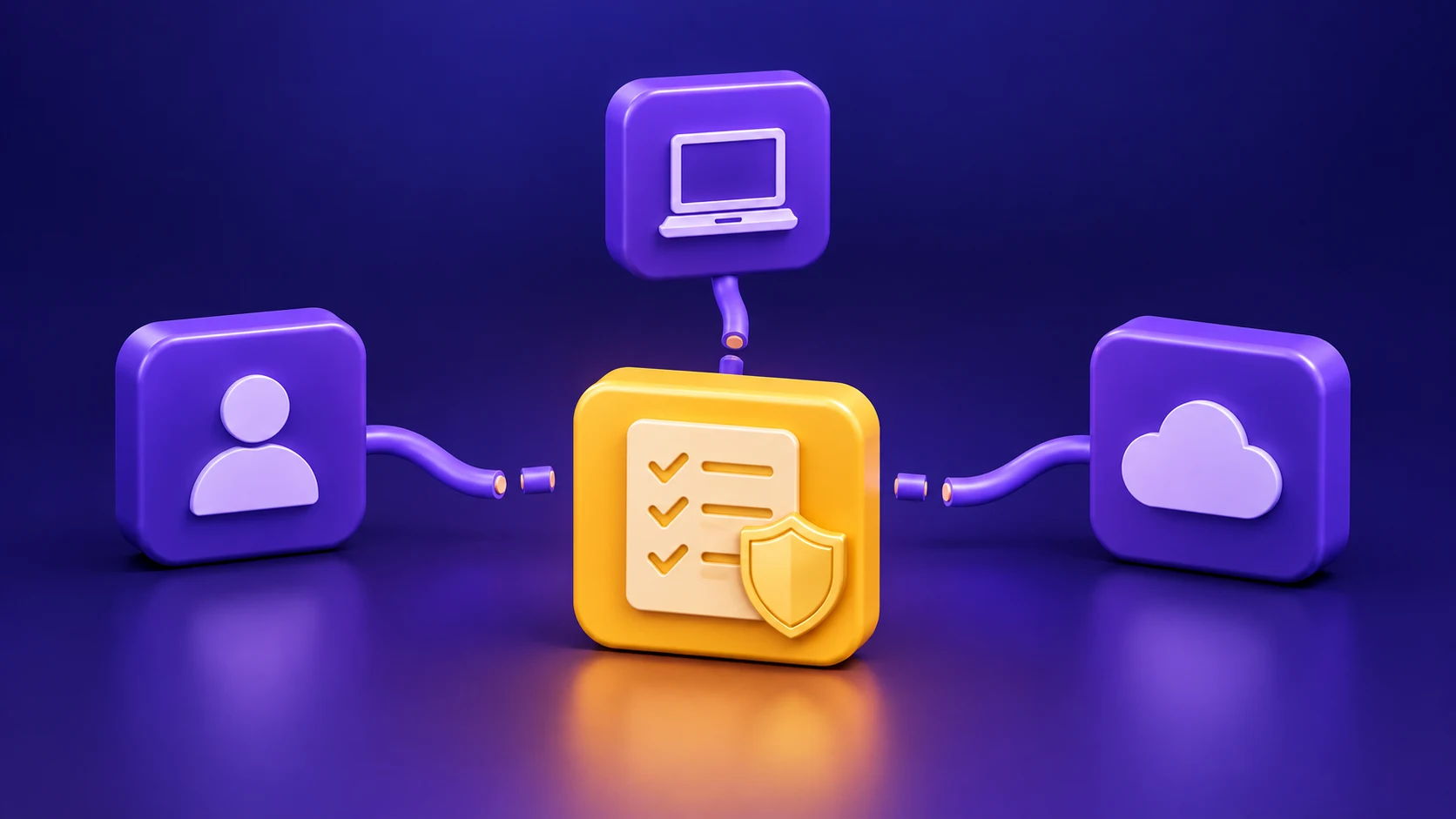
A unified cybersecurity platform is a single system that ingests, normalizes, and correlates security data from across your environment. Instead of running separate dashboards for endpoint protection, threat detection, identity monitoring, and compliance, you get one connected view of risk.
This matters because attackers don't limit themselves to a single layer. They chain together credential theft, lateral movement across devices, and privilege escalation across applications. A unified platform traces those connections by pulling telemetry from users, devices, and software into one data model.
For SMB IT teams running lean, this means fewer consoles, less time translating between tools, and faster decisions when something goes wrong.
Why Do SMB Security Teams Face More Blind Spots Than Enterprises?
Enterprise organizations have dedicated security operations centers, large analyst teams, and budgets to build custom integrations between their tools. Most SMBs don't have any of that.
According to a 2026 analysis of SMB cybersecurity data, 51% of small businesses reported having no cybersecurity measures in place. Even among those with tools deployed, 65% of global SMBs did not use multi-factor authentication. These gaps compound when each tool operates independently.
A typical SMB security stack might include an endpoint detection agent, a firewall, a cloud email gateway, and a vulnerability scanner. Each sends alerts to its own dashboard. Your IT manager has to manually correlate a phishing alert from the email gateway with a suspicious login from the identity tool and a malware detection from the endpoint agent. That process takes time your team doesn't have, and it leaves room for human error during every step.
How Tool Sprawl Creates Security Blind Spots
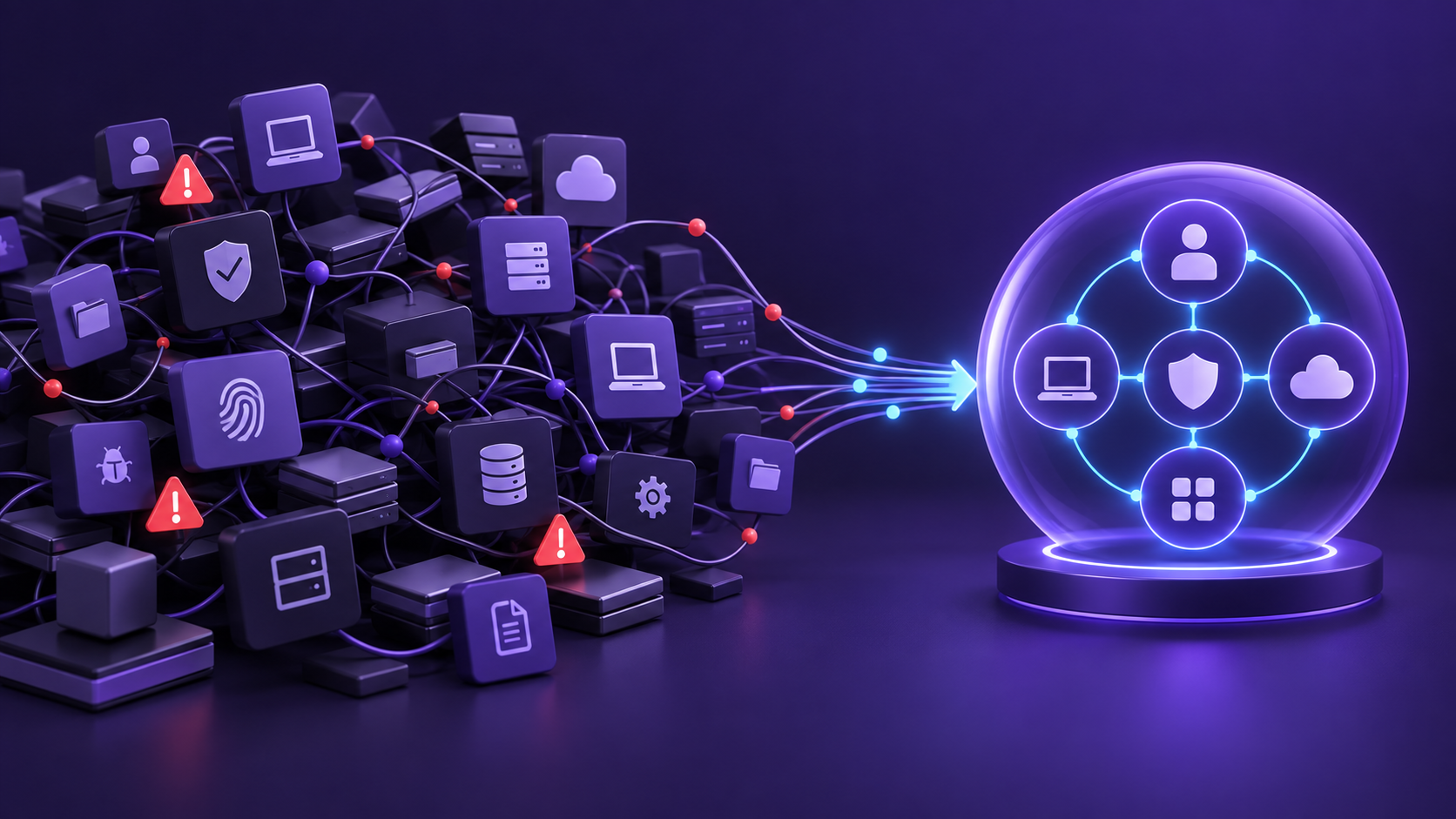
Tool sprawl is the accumulation of disconnected security products that each cover a narrow function. It happens naturally as organizations adopt new tools to address new threats. The problem isn't that you have too many tools. It's that those tools don't share data or context.
A 2025 IBM Institute for Business Value study found that the average organization manages 83 security solutions from 29 different vendors. For SMBs running a fraction of that number, even six or seven disconnected tools create enough fragmentation to leave critical gaps.
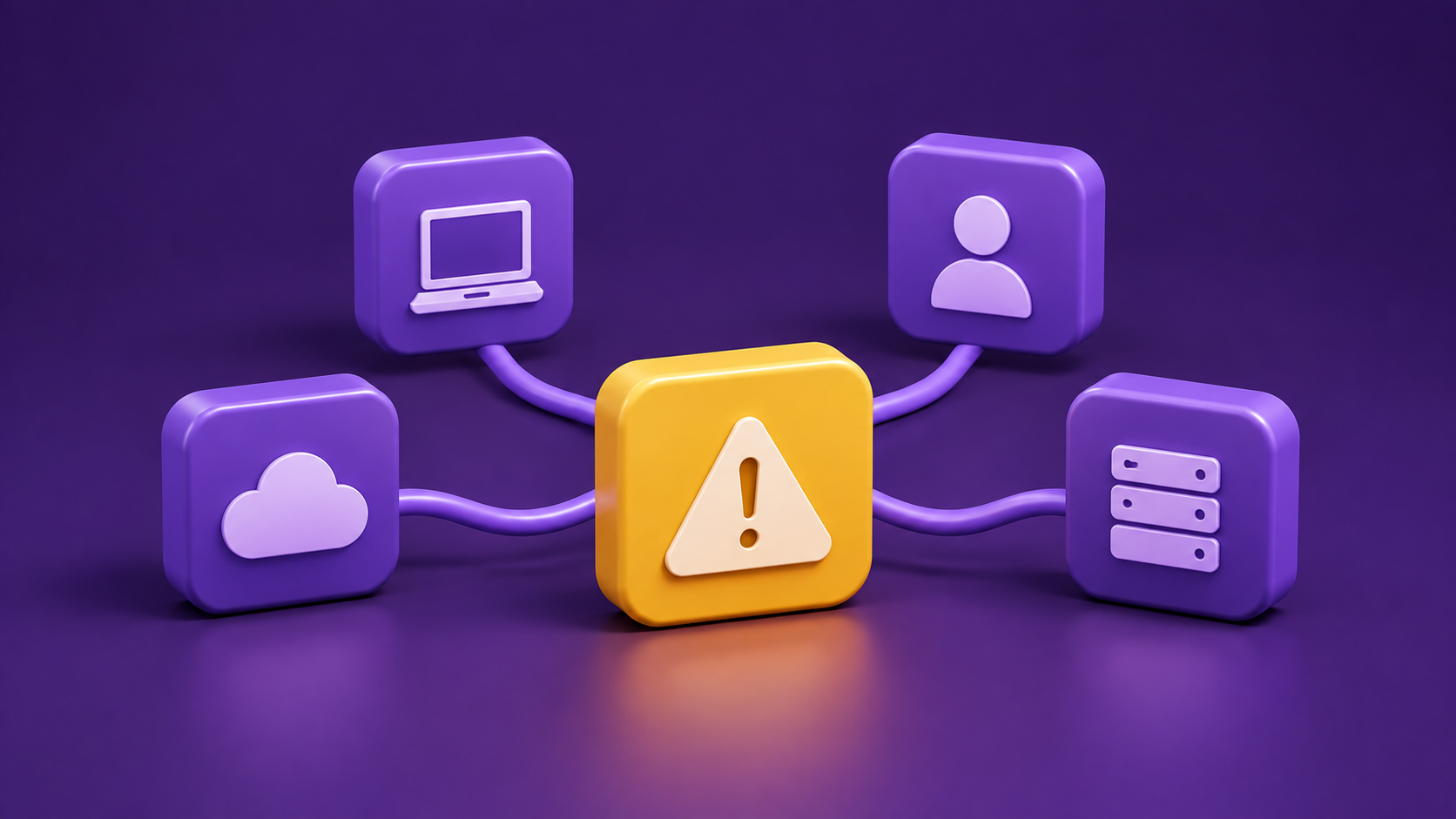
Blind spots form at the boundaries between systems. Your EDR sees endpoint activity but not identity signals. Your exposure management tool sees vulnerabilities but not how they connect to privileged users. When those systems don't talk to each other, attackers move between layers unnoticed.
What Does Consolidating Endpoint Protection and Threat Detection Look Like?
Consolidation doesn't mean ripping out your existing tools. It means connecting them under a single correlation layer that normalizes their data and maps relationships between the signals they generate.
A consolidated approach typically connects three telemetry streams:
- User telemetry: Login patterns, credential health, privilege levels, and authentication anomalies
- Device telemetry: Patch status, agent health, configuration baselines, and network connections
- Application telemetry: Cloud workload activity, SaaS access patterns, and API behavior
When these streams feed into one engine, the platform can trace an attack path from a phishing email to a compromised credential to lateral movement across your network. No single point tool can map that chain on its own.
How Does a Unified Platform Improve Threat Detection for SMBs?
Threat detection improves when context accompanies every alert. A standalone EDR might flag unusual process activity on a laptop. On its own, that alert could be noise. But if the unified platform also sees that the laptop's user just logged in from an unusual location, and that user holds admin access to a critical SaaS application, the alert jumps from low priority to urgent.
This is correlation in action. It's the difference between an alert that sits in a queue and an alert that triggers an immediate response.
Guardare's Unified Cybersecurity Platform builds a real-time risk graph that maps relationships between every user, device, and application in your environment. When Guardare detects a risk, it doesn't just tell you something is wrong. It ranks that risk by business impact and delivers step-by-step remediation instructions in plain language your team can act on immediately.
What Role Does AI Play in Unified Security Platforms?
AI amplifies the value of connected data. When a platform ingests telemetry from endpoints, identity systems, and cloud workloads simultaneously, machine learning models can spot patterns that rule-based systems and human analysts would miss.
For example, AI can detect when a user's login behavior shifts in a way that correlates with unusual device activity on the same network segment. That kind of cross-layer anomaly detection is only possible when all the data flows into one engine.
Guardare combines AI analysis with human validation to reduce false positives. In real-world assessments, Guardare has uncovered 57 devices marked as fully secure in internal reports that were actually missing protection. That's the kind of hidden exposure that only surfaces when AI examines the full picture across your security stack.
How Consolidation Reduces Alert Fatigue for SMB IT Teams
Alert fatigue is a well-documented problem. When each tool in your stack generates its own alerts without context, your team drowns in notifications. Many of those alerts are duplicates or low-risk events that don't require action. Meanwhile, the alerts that matter get buried.
A unified platform solves this by grouping related alerts into correlated incidents. Instead of your team reviewing 200 individual notifications, they see five prioritized incidents, each with full context and recommended next steps.
This is especially critical for SMB environments where you might have one IT manager handling security alongside every other technology responsibility. Reducing alert volume means that person can focus on genuine threats instead of chasing noise all day.
Step-by-Step: How to Evaluate a Unified Cybersecurity Platform
Choosing the right platform requires more than comparing feature lists. The architecture and integration depth matter more than the number of checkboxes on a vendor's website. Here's a structured approach to evaluating your options.
Step 1: Audit Your Current Security Stack
Start by documenting every security tool you currently run. List the vendor, the function it covers, and the data it generates. Identify which tools share data with each other and which operate in complete isolation.
Pay attention to the overlaps and gaps. You may find two tools covering the same endpoint function while no tool monitors identity exposure or cloud configuration drift.
Step 2: Map Your Integration Requirements
A unified platform should connect with the tools you already trust. Evaluate whether the platform supports read-only integrations with your EDR, firewall, identity provider, and cloud infrastructure. The best platforms work alongside your existing investments rather than forcing a rip-and-replace approach.
Step 3: Test Correlation Capabilities
During a demo or trial, look for evidence of real cross-layer correlation. Ask the vendor to show you how the platform connects an identity signal to an endpoint alert to a cloud access event. If the platform only displays alerts from individual tools on one screen without connecting them, it's a dashboard, not a unified platform.
Step 4: Evaluate Risk Prioritization
Not all risks carry equal weight. The platform should rank exposures by business impact, factoring in asset criticality, user privilege levels, and exploitability. Ask how the platform determines which issues to surface first and whether the prioritization logic accounts for your specific environment.
Step 5: Assess Remediation Guidance
Finding risks is half the job. The platform should also tell your team exactly what to do about them, in language they can understand. Look for remediation guidance that includes specific steps, not generic advice like "patch your systems."
What Makes Guardare Different for SMB Security Teams?
Guardare was built specifically for the challenges SMB and mid-market IT teams face every day. Instead of replacing your existing tools, Guardare connects to them through read-only integrations and builds a unified risk picture in minutes.
The platform's AI engine analyzes data from your endpoints, identity systems, cloud platforms, and network infrastructure. It then creates a unified risk graph that maps how your users, devices, and applications relate to each other, flagging the exposures that could actually be exploited.
Your top three prioritized actions appear immediately, each backed by data from your own environment and written in plain language. You can assign, track, and verify fixes directly inside the platform. This approach means you get enterprise-level cybersecurity visibility without the enterprise-level complexity.
How to Build a Business Case for Platform Consolidation
Getting buy-in for a platform investment often requires showing both the security and financial value. Here's how to frame the conversation with leadership.
Quantify Your Current Tool Sprawl Costs
Add up the license costs, integration maintenance hours, and training time for every security tool you currently manage. Include the analyst hours spent switching between dashboards and manually correlating alerts. This gives you a baseline for comparison.
Map Visibility Gaps to Business Risk
Identify the specific blind spots in your current setup and connect them to potential business outcomes. For example, if your identity tool and endpoint tool don't share data, a compromised credential could go undetected long enough for an attacker to exfiltrate customer records. Frame that scenario in terms your leadership understands: downtime, regulatory penalties, and customer trust.
Reference Industry Data
The IBM Institute for Business Value study found that organizations using a platform approach achieve a 101% return on investment, compared to 28% for those operating fragmented toolsets. Platformized organizations also detect incidents 72 days faster and contain them 84 days sooner.
According to Techaisle research on SMB and Midmarket security adoption, preference for end-to-end security platforms increases steadily with company size, reaching a majority among organizations with 2,500 or more employees. The trend is clear: consolidation is becoming the standard approach.
Common Mistakes to Avoid When Adopting a Unified Platform
Moving to a unified platform is a strategic decision that benefits from careful planning. Here are the pitfalls that trip up many organizations.
Mistake 1: Treating It as a Rip-and-Replace Project
You don't need to throw out your existing tools on day one. The strongest platforms integrate with your current stack and add value immediately. Start by connecting your highest-priority data sources, like endpoint and identity telemetry, and expand from there.
Mistake 2: Choosing a Dashboard Over a Correlation Engine
Some products display alerts from multiple tools on a single screen but don't actually correlate the data. Make sure the platform you choose can trace connections between users, devices, and applications, not just aggregate alerts side by side.
Mistake 3: Ignoring Remediation Workflows
Detection without action is wasted effort. Choose a platform that includes actionable remediation steps, ticket tracking, and verification to confirm that fixes actually closed the exposure.
The Compliance Advantage of Unified Visibility
Regulatory frameworks like NIST, ISO 27001, CMMC, and CIS Controls all require organizations to maintain visibility across their environments, manage risk based on business impact, and demonstrate control effectiveness. A unified platform simplifies compliance by centralizing the evidence you need.
Instead of pulling logs from six different systems to prepare for an audit, you generate reports from one platform that already correlates user activity, device posture, and vulnerability data. Guardare's Compliance Platform maps findings to established frameworks and delivers audit-ready reporting without the manual effort.
For SMBs in regulated industries like healthcare, finance, and professional services, this capability alone can justify the investment in a unified approach.
In Conclusion: Choosing a Unified Cybersecurity Platform for Your SMB
Security blind spots aren't a technology failure. They're a fragmentation problem. When your endpoint protection, threat detection, identity monitoring, and compliance tools operate in isolation, attackers find and exploit the seams between them.
A unified cybersecurity platform closes those gaps by correlating telemetry from users, devices, and applications into a single, prioritized view of risk. For SMB IT teams, this means fewer alerts to chase, faster threat response, and clear visibility into what needs to be fixed first.
Guardare makes this possible by connecting your existing tools into one AI-driven risk management dashboard. You don't need a large security operations team or a massive budget. You need connected visibility and the confidence to act on what you find.
FAQs about Unified Cybersecurity Platforms for SMB Visibility
What is a unified cybersecurity platform?
A unified cybersecurity platform is a single system that connects data from your endpoint, identity, cloud, and network security tools. It normalizes and correlates that data to give you one prioritized view of risk across your entire environment.
How does Guardare help SMBs consolidate security tools?
Guardare connects to your existing security tools through read-only integrations and builds a unified risk graph in minutes. Its AI engine ranks exposures by business impact and delivers step-by-step remediation instructions, giving your team enterprise-level visibility without added complexity.
Can a unified platform work with the security tools I already use?
Yes. Guardare integrates with EDRs, firewalls, identity platforms, cloud infrastructure, and SaaS applications. It enhances your current stack by adding a correlation and prioritization layer on top, rather than replacing any of your trusted tools.
What is the difference between a security dashboard and a unified platform?
A dashboard displays alerts from multiple tools on one screen. A unified platform goes further by correlating data across tools, tracing attack paths between users and devices, and prioritizing risks by business impact. Guardare's platform delivers this correlation along with actionable remediation guidance.
How does platform consolidation reduce alert fatigue?
By correlating related alerts into single incidents and filtering out low-priority noise, a unified platform cuts the volume of notifications your team has to review. Guardare reduces thousands of scattered alerts down to the few actions that actually matter for your environment.
Why should SMBs invest in a unified cybersecurity platform now?
Attackers target SMBs because controls are often less mature and security data is fragmented across multiple tools. Guardare gives SMB IT teams a fast path to unified visibility, helping you close blind spots, meet compliance requirements, and respond to real threats before they cause business disruption.
.svg)