Published July 20, 2026 · Updated October 16, 2026 · By Ryan Skelton · View author biography and credentials
Security teams often talk about vulnerability management as if the process begins when a CVE is published.
A vendor announces a vulnerability. The security team checks its inventory, finds the affected product, applies the patch, and closes the ticket.
That process works when defenders learn about the vulnerability before attackers do.
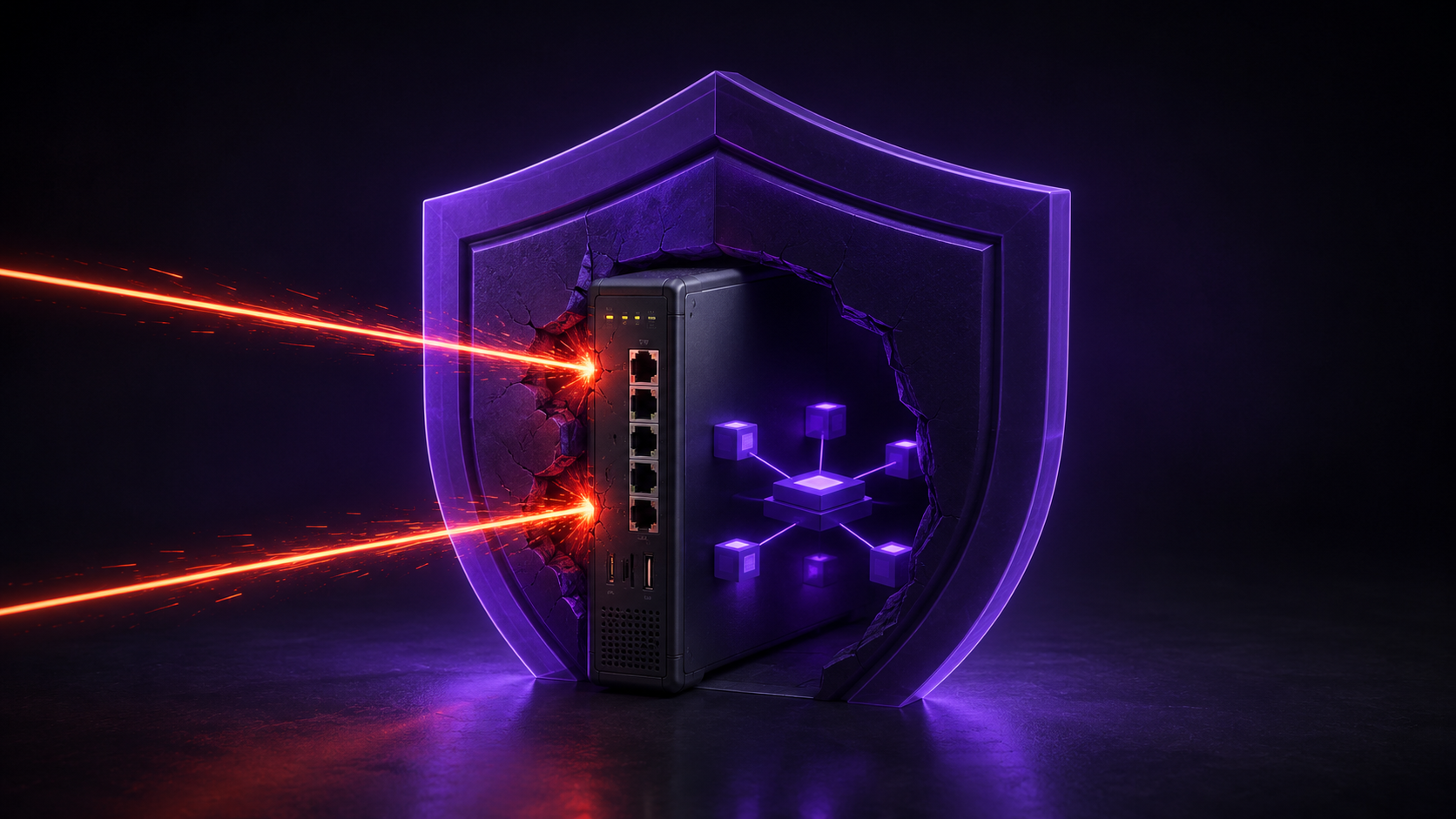
The recent exploitation of two SonicWall Secure Mobile Access vulnerabilities is another reminder that this is not always what happens.
According to The Hacker News, a previously undocumented threat actor tracked as UTA0533 began exploiting SonicWall SMA 1000 series appliances as early as June 22, 2026—weeks before the vulnerabilities were publicly disclosed and patches became available.
By the time many organizations learned that they had a vulnerability problem, some may have already had an active compromise problem.
What Happened With the SonicWall SMA Vulnerabilities?
The attack involved two vulnerabilities affecting SonicWall SMA 1000 series appliances:
- CVE-2026-15409, a critical server-side request forgery vulnerability with a CVSS score of 10.0.
- CVE-2026-15410, a code-injection vulnerability with a CVSS score of 7.2.
Individually, each vulnerability created significant risk. Chained together, they reportedly allowed an unauthenticated external attacker to reach services that should only have been available locally, execute commands, escalate privileges, and gain root-level control of the appliance.
Once inside, the attackers deployed malware designed specifically for SonicWall SMA appliances.
The activity included custom web shells, proxy tools, changes to legitimate startup scripts, modified routing configurations, credential theft, and packet capture designed to intercept unencrypted LDAP usernames and passwords.
This was not simply someone scanning the internet and crashing an exposed appliance. The attackers created persistent access to a device positioned directly between remote users and the organization’s internal network.
That is about as sensitive a location as an attacker could choose.
Why Edge Devices Remain Attractive Targets
VPN appliances, firewalls, load balancers, and other edge devices are built to be reachable. That is what makes them useful—and what makes them attractive to attackers.
They often:
- Sit directly on the internet.
- Provide access to internal systems.
- Process authentication data and active sessions.
- Store credentials, certificates, or MFA information.
- Have visibility into traffic passing between external users and internal resources.
- Operate outside the coverage of traditional endpoint security tools.
Most organizations have EDR deployed across laptops and servers. Far fewer have equivalent visibility into the operating system, processes, files, and configuration changes occurring inside a network appliance.
An attacker who compromises one of these devices may be able to operate in an area where defenders have limited telemetry and where normal endpoint controls cannot see them.
That was particularly important in this case. The reported attacker did not just exploit a vulnerability and leave. They modified configuration files, established persistence, deployed purpose-built malware, and attempted to capture credentials.
A patch can close the original vulnerability. It does not necessarily remove everything that happened before the patch was installed.
Patching Does Not Undo a Compromise
SonicWall released fixes in versions 12.4.3-03453 and later and 12.5.0-02835 and later. The company has urged affected customers to update immediately and investigate their appliances for evidence of exploitation. The vulnerabilities affect SMA 1000 models 6210, 7210, 8200v, and CMS deployments running the affected firmware versions. They do not affect the SMA 100 Series or SSL-VPN functionality running on SonicWall firewalls.
Applying the update is an urgent first step.
But it cannot be the only step.
If an attacker exploited the appliance before the update, they may have already:
- Created a backdoor.
- Modified startup or configuration files.
- Captured usernames and passwords.
- Stolen administrator credentials.
- Obtained active session information.
- Collected TOTP seeds used for multifactor authentication.
- Used the appliance as an entry point into the internal network.
SonicWall’s guidance reflects that reality. Organizations are being told to review specific appliance logs and configurations for indicators of compromise. If those indicators are found, the recommended response may include reimaging physical appliances or redeploying virtual appliances, changing user and administrator passwords, and resetting TOTP tokens.
The full remediation guidance and affected versions are available in SonicWall advisory SNWLID-2026-0008.
This is not a normal “patch it during the next maintenance window” situation.
Teams need to determine whether the vulnerability was present, whether the appliance was exposed, whether suspicious activity occurred, and whether the attacker left anything behind.
The Real Problem Is Knowing Where the Exposure Exists
A CVE announcement tells an organization that a product may be vulnerable.
It does not automatically answer:
- Do we have this specific product?
- Which locations or subsidiaries are running it?
- What firmware version is installed?
- Is the management interface exposed?
- Is the device reachable from the internet?
- Is the appliance still active?
- Is another security tool tracking it?
- Has its configuration changed?
- Did suspicious activity occur before the patch was released?
- Has remediation actually been completed everywhere?
Those questions become even harder for enterprises with multiple business units or for MSPs and MSSPs managing hundreds of separate customer environments.
An inventory may show that SonicWall is used somewhere in the organization but not identify the exact appliance, firmware version, exposure state, business owner, or network location.
A vulnerability scanner may find the CVE but lack the context needed to determine whether that device is protecting a critical environment.
A SIEM may collect logs but still require an analyst to know what to search for and which devices should be producing those logs in the first place.
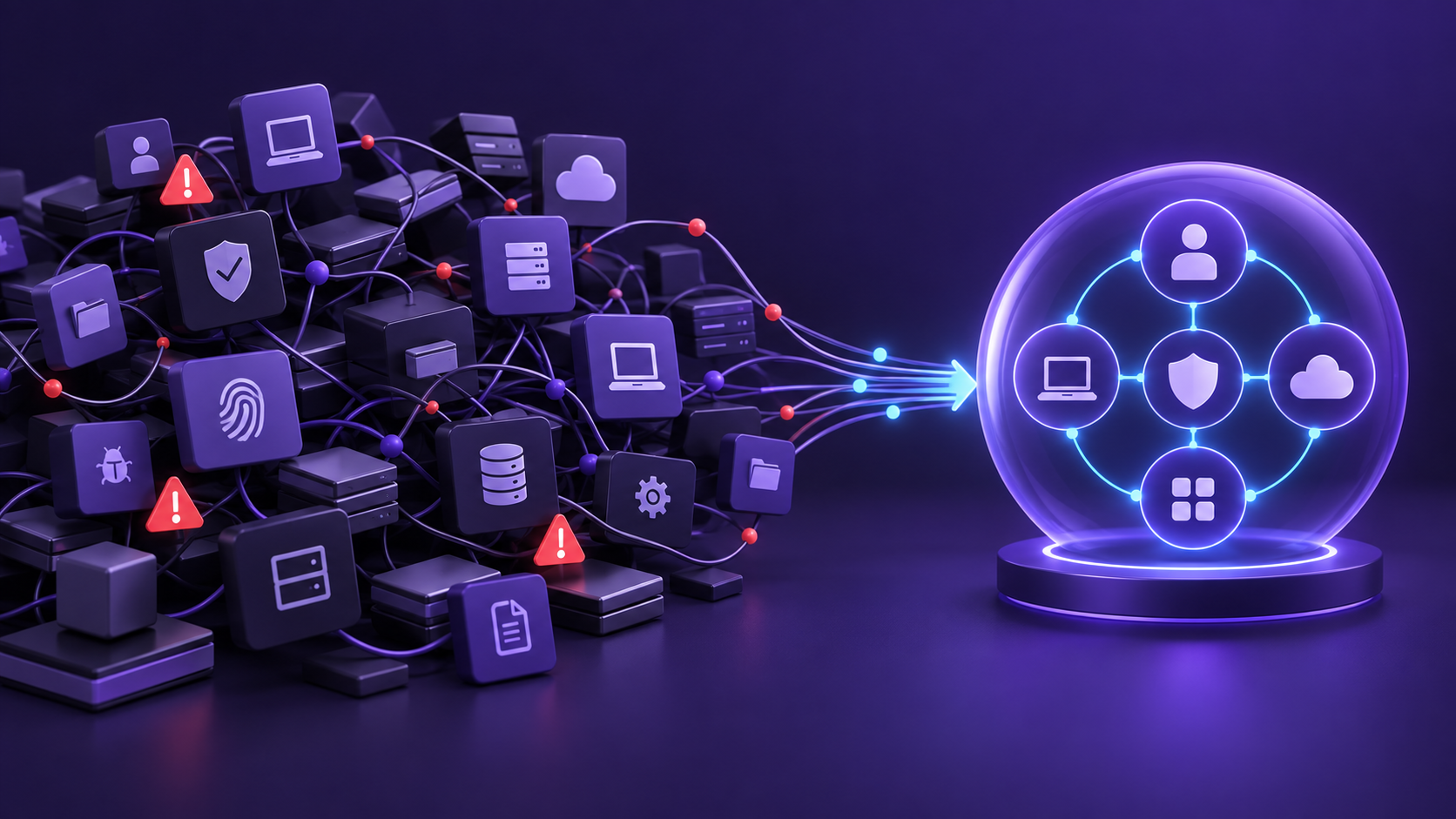
The information usually exists. It is simply spread across too many systems.
What Security Teams Should Do Now
Organizations using SonicWall SMA 1000 appliances should act quickly.
First, identify every affected appliance and confirm its exact firmware version. Do not rely entirely on a procurement record or manually maintained spreadsheet. Validate that the asset still exists and determine where it is deployed.
Second, apply SonicWall’s fixed release.
Third, review the indicators of compromise in the vendor advisory. This includes suspicious /wsproxy activity, unexpected login or logout routes, unusual hotfix rollback entries, and unauthorized changes to the appliance configuration.
Fourth, treat any confirmed indicator as a potential appliance compromise—not merely evidence of an attempted exploit.
Finally, investigate what the appliance could access. Review user credentials, administrator accounts, active sessions, MFA configurations, LDAP connections, and authentication activity involving internal systems. If credentials or TOTP seeds may have been exposed, rotate them.
Exposure Management Has to Begin Before the CVE
Zero-days create an uncomfortable reality: defenders cannot patch a vulnerability they do not know exists.
They can, however, reduce the uncertainty surrounding the systems most likely to be targeted.
That means maintaining continuous visibility into internet-facing assets, identifying the products and versions running on them, monitoring configuration changes, validating whether security controls cover those assets, and understanding what an attacker could reach if one of them were compromised.
This is where exposure management becomes more than vulnerability management.
The objective is not simply to maintain a longer list of CVEs. It is to understand how an exposed device, vulnerable service, privileged identity, missing control, and reachable internal system connect to one another.
Guardare brings those signals together so security and IT teams can see where exposure exists, determine which environments require immediate attention, and verify that remediation has actually reduced the risk.
Because when a zero-day is already being exploited, the most important question is no longer:
“Do we need to install the patch?”
It is:
“Were we exposed before the patch existed—and what could the attacker have reached?”
.svg)